
Practical explanation:
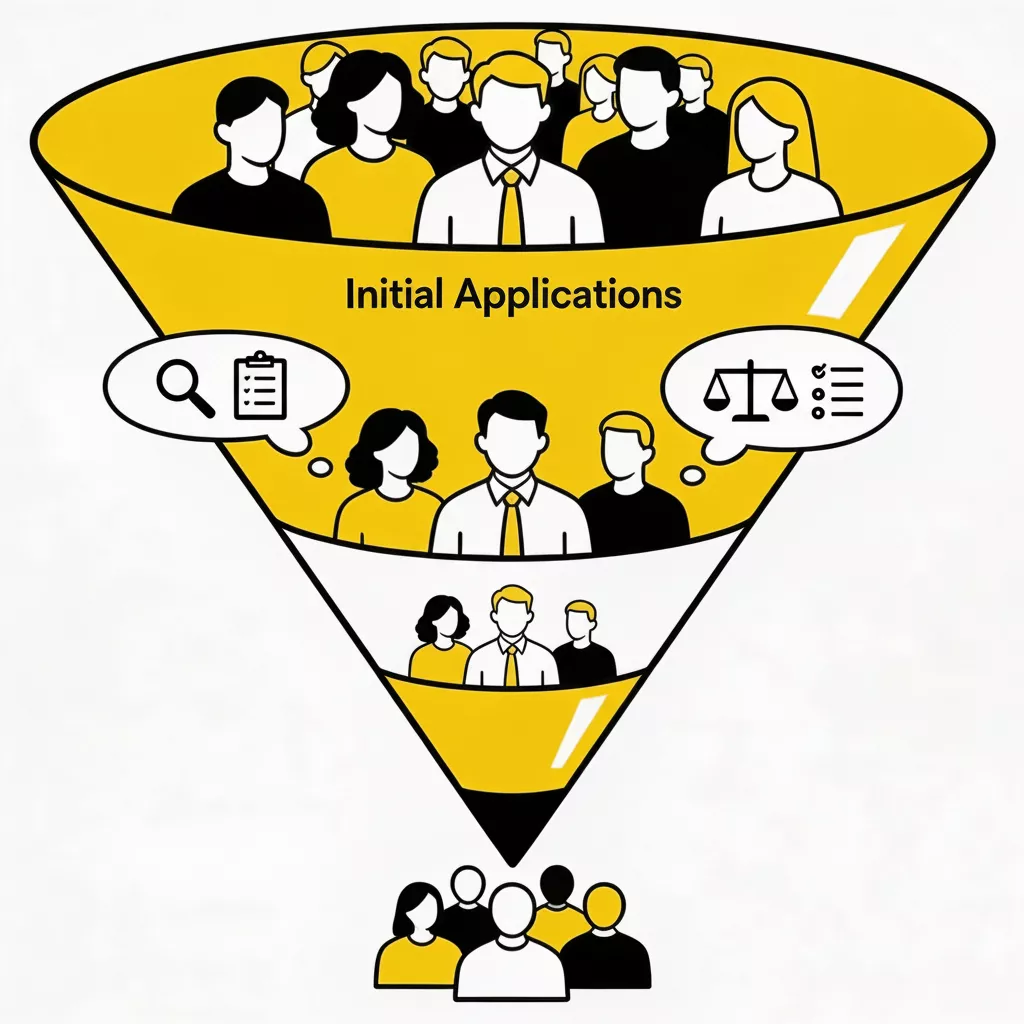
Not everyone who visits a website or sees an ad will become a customer. A funnel helps explain this by breaking the journey into stages, such as discovering a brand, showing interest, considering an offer, and finally taking action. At each step, fewer users continue, which is why it’s called a funnel.
How it works:
Each stage of the funnel is supported by different actions or content. For example, ads or social media posts may bring people in at the top, while landing pages, emails, or offers help move them closer to conversion. User behavior is tracked to see where people drop off and where improvements are needed.
Why it matters:
Understanding the funnel makes it easier to spot problems in the user journey. If many users leave at a specific stage, it usually means something needs to be adjusted, such as messaging, design, or the offer itself.
When to use it:
Funnels are useful when planning marketing campaigns, optimizing websites, improving conversion rates, or analyzing how users interact with content over time.
Related terms:
Conversion Rate, CRO, Lead Generation, User Flow, Analytics